
Surfaces That Reflect Architectural Precision
Interior and Exterior Custom Painting in Scottsdale for luxury homes requiring finish quality that matches high-end design details
Arizona's intense ultraviolet exposure and temperature swings demand exterior coatings engineered for thermal expansion and pigment stability, particularly on stucco and masonry common to Scottsdale properties. Fine Finish Paint approaches custom painting with the same level of surface preparation, product selection, and application precision used for decorative finishes, treating each project as a craftsmanship exercise rather than standard contractor work. Homeowners working with designers or building teams benefit from this approach when architectural details, furnishings, and overall aesthetics require finish execution that complements rather than compromises the design intent.
Custom painting differs from conventional painting in the depth of preparation work performed before any coating is applied, including surface profiling to ensure adhesion, meticulous filling and sanding to eliminate substrate imperfections, and primer selection based on material compatibility rather than generic coverage. Interior projects account for how light interacts with wall surfaces throughout the day, influencing sheen level recommendations and application techniques that minimize roller stipple and brush marks. Exterior services focus on protecting architectural surfaces from UV degradation, moisture intrusion, and thermal cycling while maintaining color consistency across varying exposures.
Schedule a project consultation to review surface conditions and finish expectations for your property.
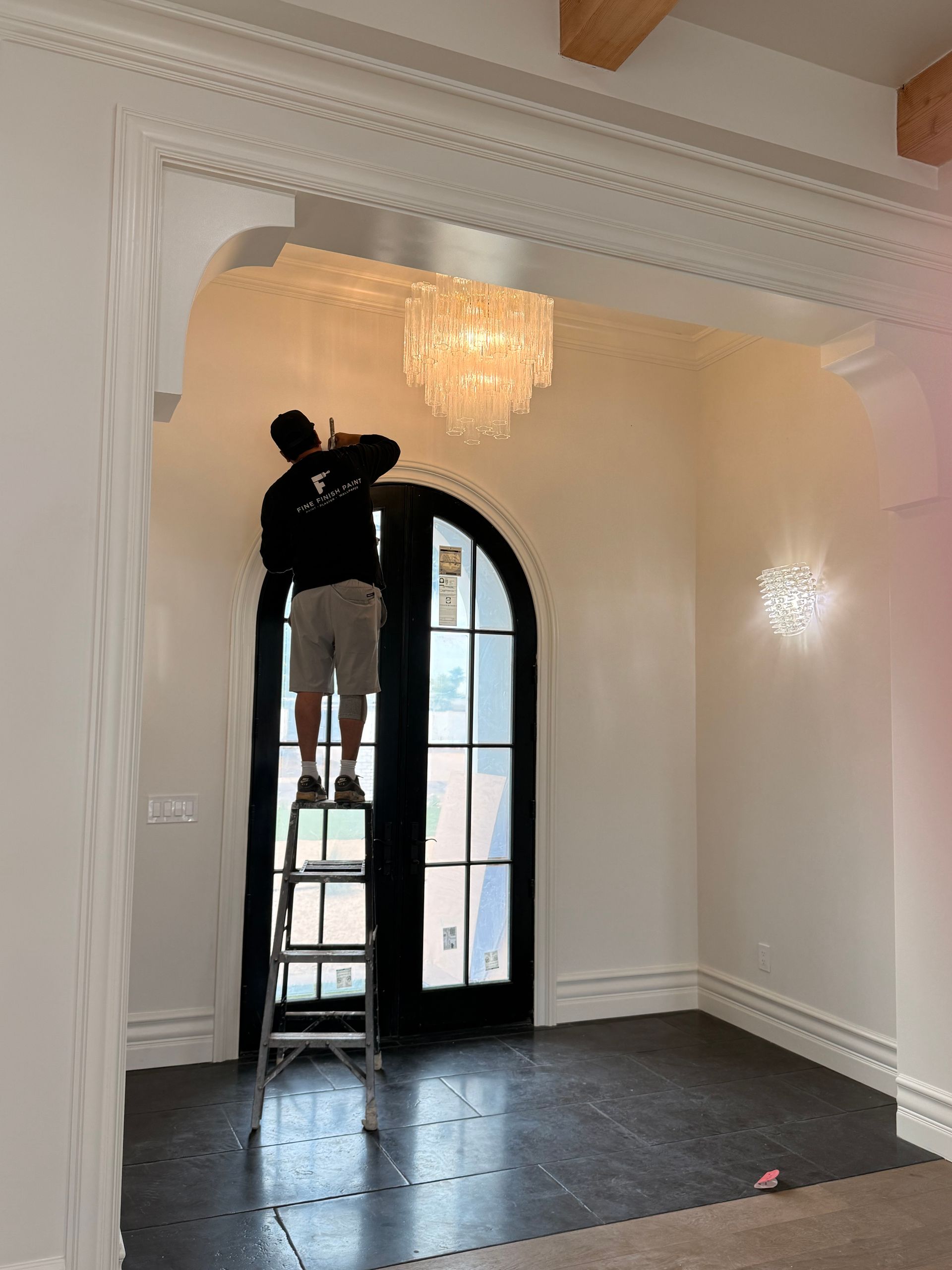
What Proper Surface Preparation Actually Involves
Surface preparation determines coating longevity and finish appearance more than any other variable in the painting process. Fine Finish Paint profiles existing surfaces to identify adhesion barriers such as chalking, efflorescence, or previous coatings that require removal or encapsulation before new products are applied. Interior walls receive compound work that extends beyond simple hole-filling to include skim coating where necessary, creating a substrate smooth enough that imperfections do not telegraph through satin or semigloss finishes.
Once painting is completed, you notice uniform color without lap marks or shading variations, crisp cut lines where walls meet ceilings and trim, and a surface texture consistent across all planes. Exterior coatings cure to form a protective film that sheds water, resists fading under direct sun exposure, and flexes with substrate movement without cracking or peeling at joints and transitions. The finished work integrates with architectural details rather than obscuring them, preserving shadow lines, reveals, and trim profiles.
Product selection is tailored to specific substrates and exposure conditions rather than relying on universal coatings, with primer systems chosen based on surface porosity, existing coating compatibility, and the performance requirements of the topcoat. Collaboration with designers and builders during the planning phase ensures color selections are evaluated under actual lighting conditions and that finish schedules align with the project timeline and adjacent trades.
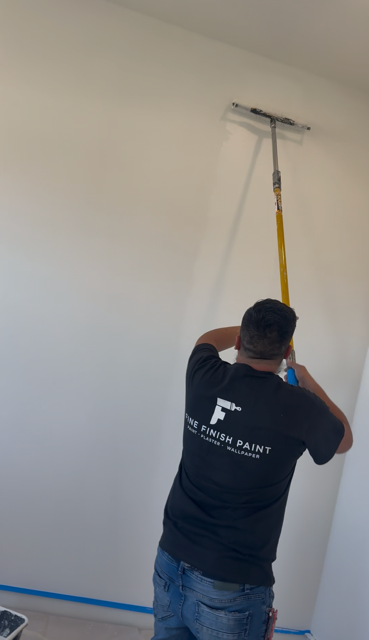
Questions Before Starting Your Painting Project
Luxury homeowners in Scottsdale frequently ask about preparation requirements, product durability under desert conditions, and how custom painting differs from standard contracting work.
What preparation work is required before painting begins?
Surface profiling identifies existing coating condition, substrate stability, and adhesion barriers, followed by cleaning, repair, sanding, and priming specific to each material and exposure, ensuring the new coating system bonds properly and performs as intended.
How does Arizona's climate affect exterior coating selection?
Ultraviolet radiation degrades organic pigments and breaks down binder chemistry, requiring products formulated with UV-stable pigments and acrylic or urethane resins that resist chalking and color shift, while thermal expansion properties must match stucco and masonry movement.
Why does sheen level matter for interior walls?
Light reflection off wall surfaces changes throughout the day based on natural and artificial light sources, with higher sheen levels amplifying surface imperfections while lower sheens diffuse light but offer less washability, making sheen selection dependent on substrate quality and functional requirements.
What distinguishes custom painting from contractor-grade work?
Custom painting prioritizes surface preparation depth, uses premium coating systems selected for specific substrates rather than universal products, and applies finishes with techniques that eliminate visible application marks, treating each project as a craftsmanship exercise aligned with design intent.
When should painting be scheduled relative to other trades?
Interior painting follows drywall finishing, trim installation, and flooring work but precedes final fixture installation, while exterior painting is best scheduled during moderate temperatures when coating cure rates allow proper film formation without temperature-induced defects.
Fine Finish Paint collaborates with homeowners, designers, and builders throughout Scottsdale to execute painting projects with the precision and attention to detail expected in luxury residential environments. Contact the team to discuss your custom painting requirements and schedule an on-site evaluation.